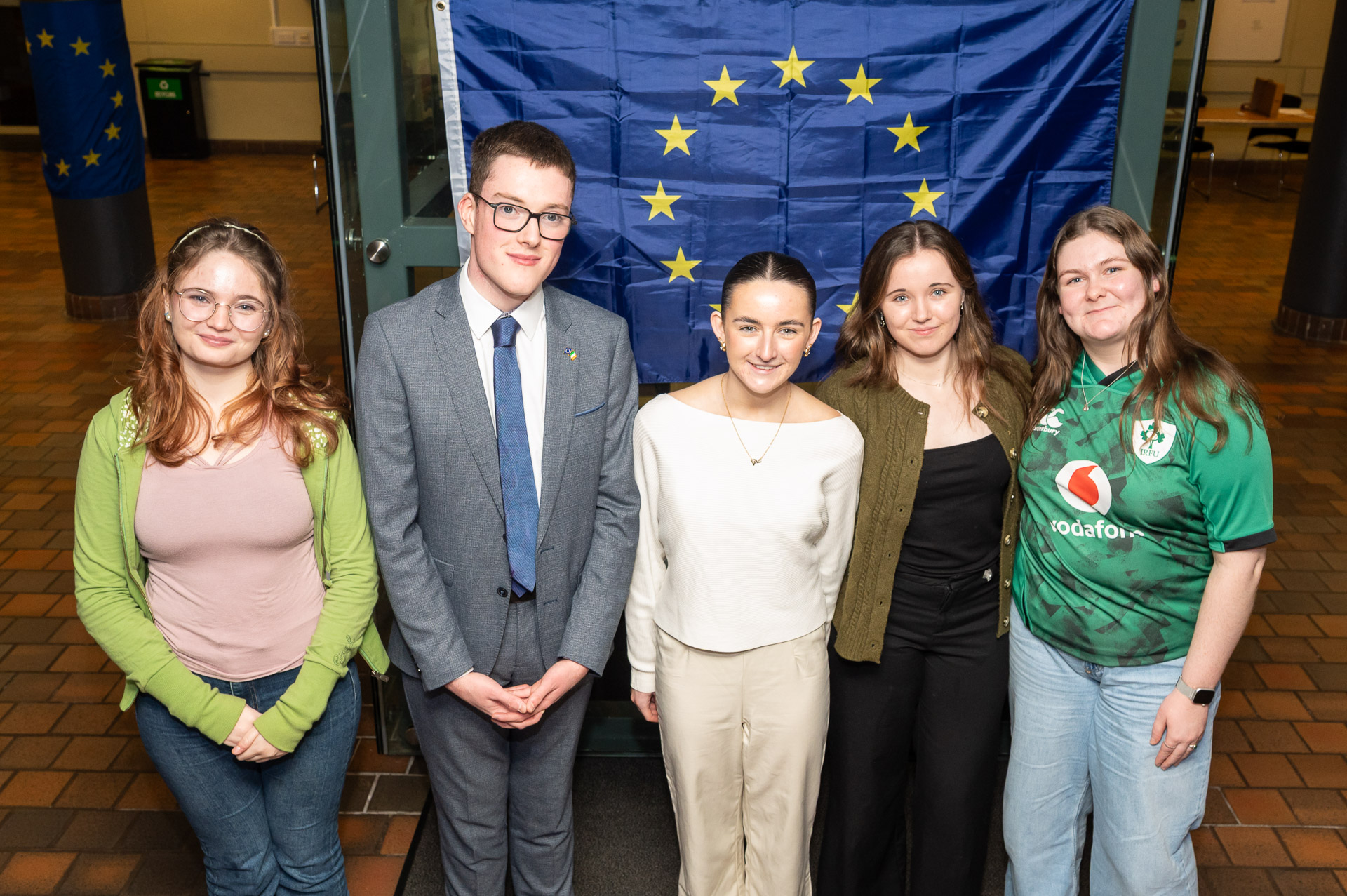
Active Citizenship Day took place on 2 December 2025 at UCC. The Hub in Active European Citizenship organised the event in partnership with the Electoral Commission. This first Active Citizenship Day brought together 96 primary pupils, 15 secondary students and 10 third-level students. Throughout the day, they took part in activities designed to promote democratic engagement and EU awareness.
First activity: A mock presidential election
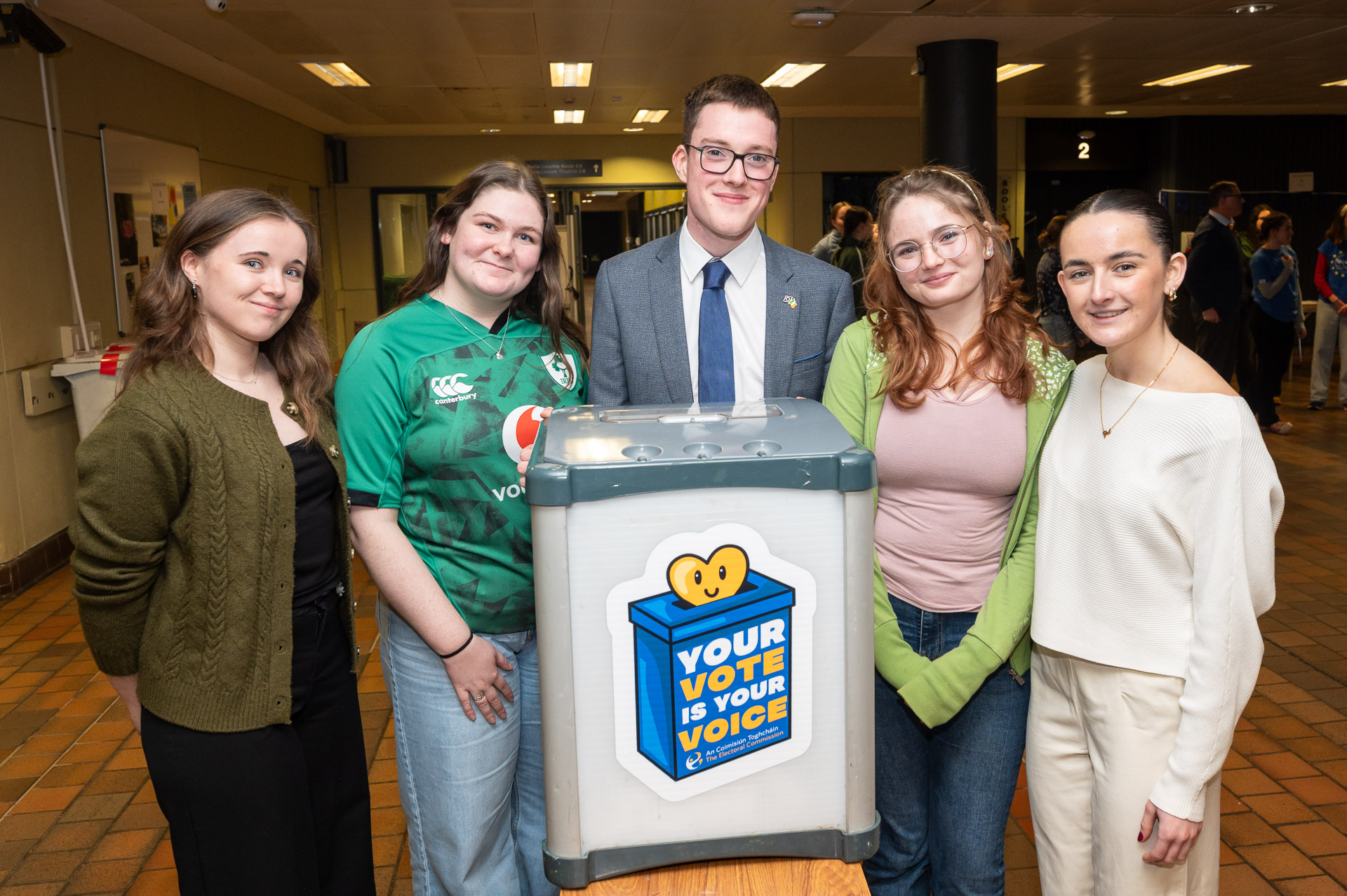
The morning focused on a mock presidential election using the PRSTV voting system. Four third-level students and one secondary student stood as candidates. They represented the Irexit Party, the Housing Party, the Healthcare Party, the Student Needs Party and the Climate Change Party.
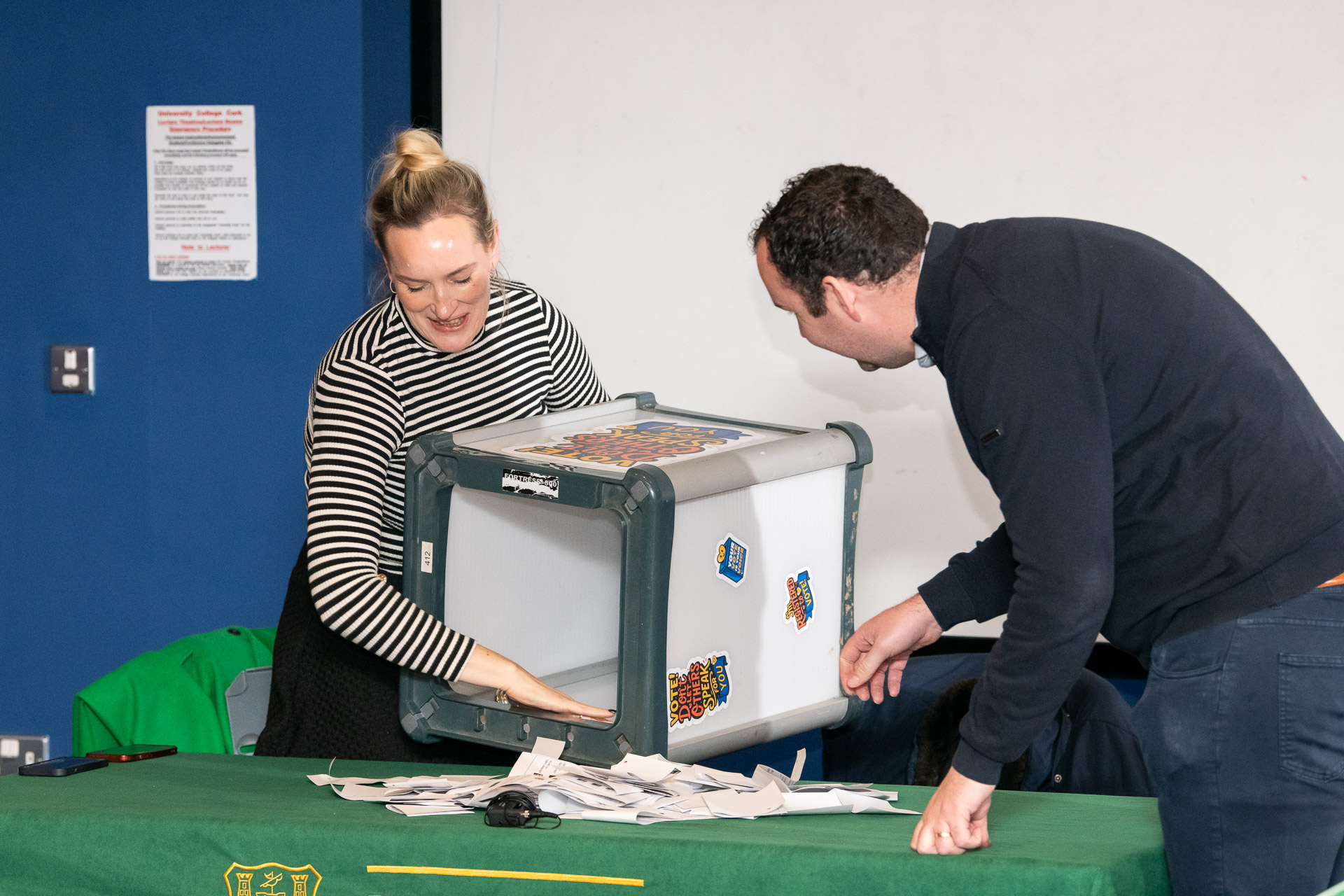
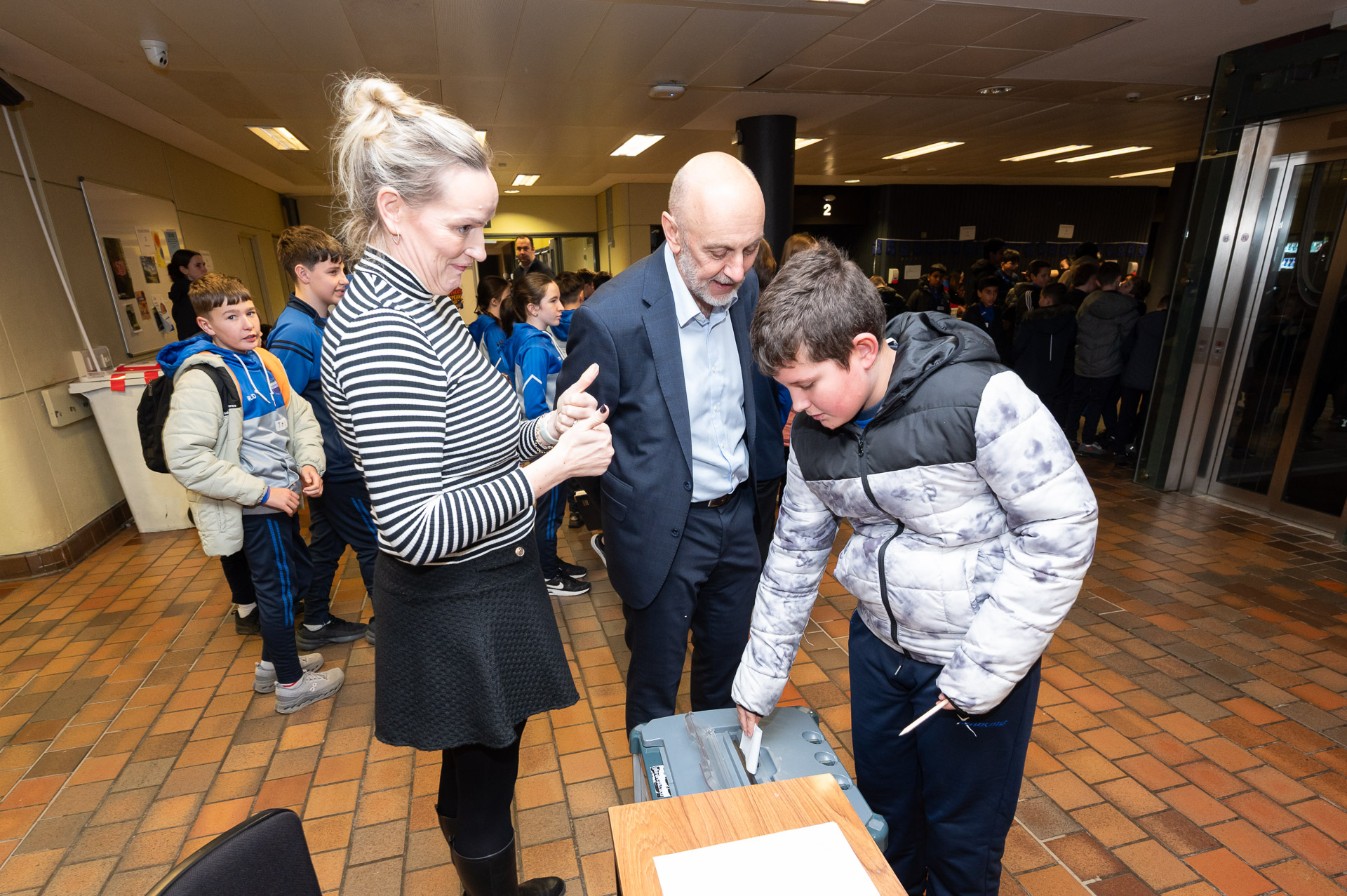
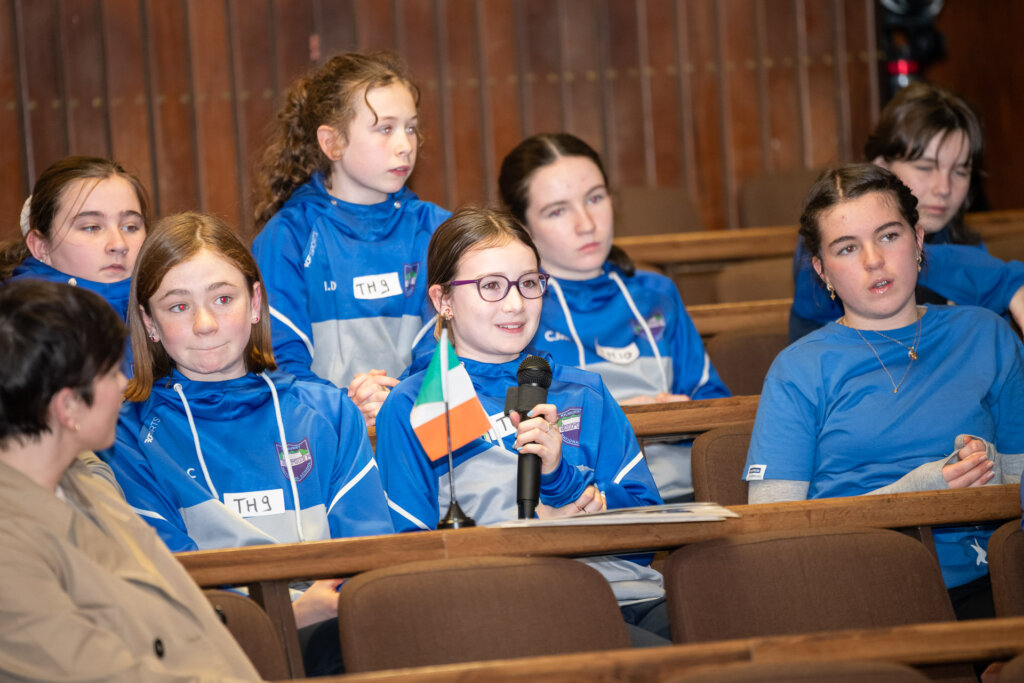
Pupils questioned the candidates before casting their votes at polling stations set up outside the room. The Electoral Commission then supervised a live vote count. This allowed pupils to observe each stage of the electoral process in real time.
Second activity: A Council of the EU simulation
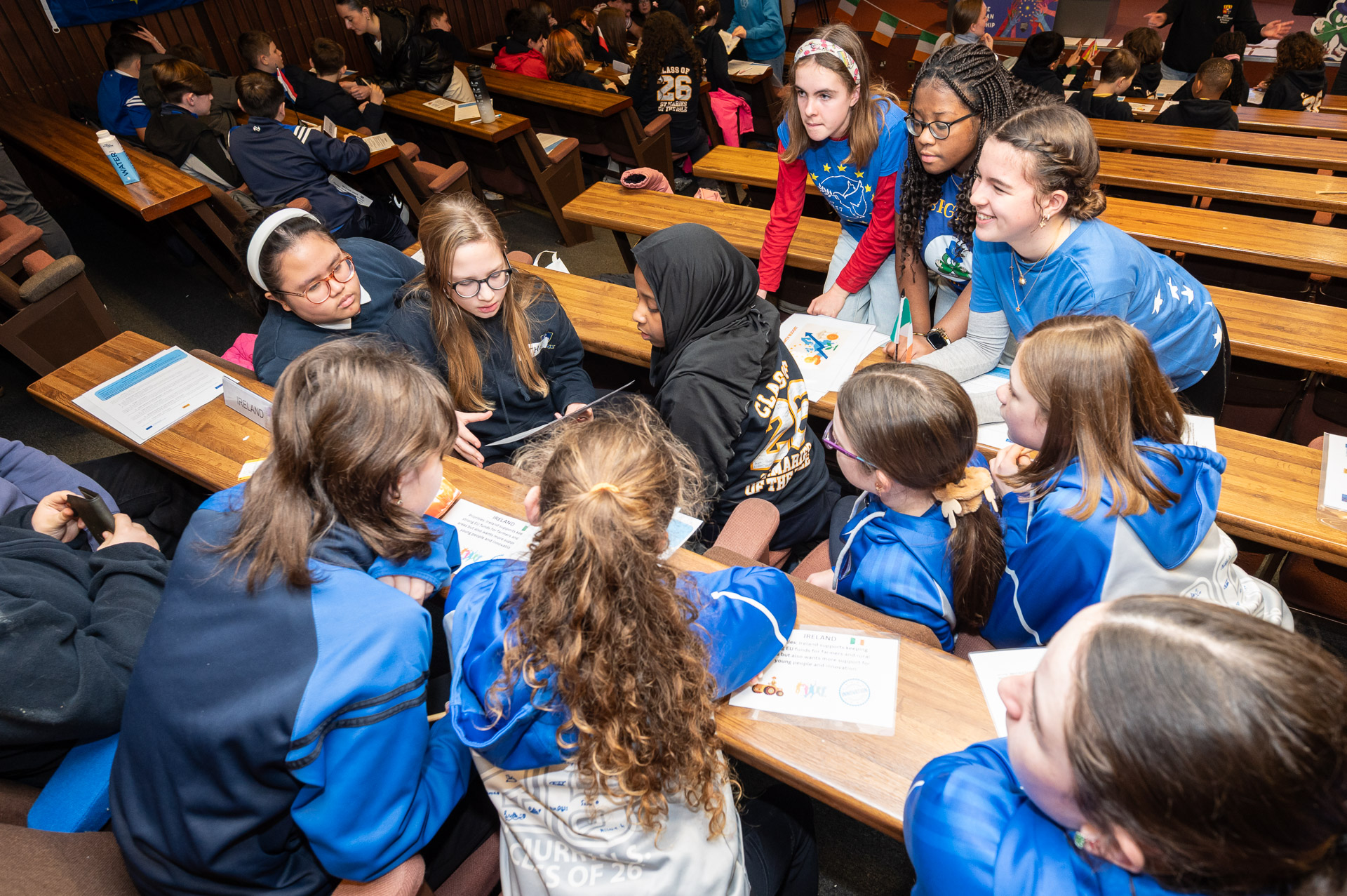
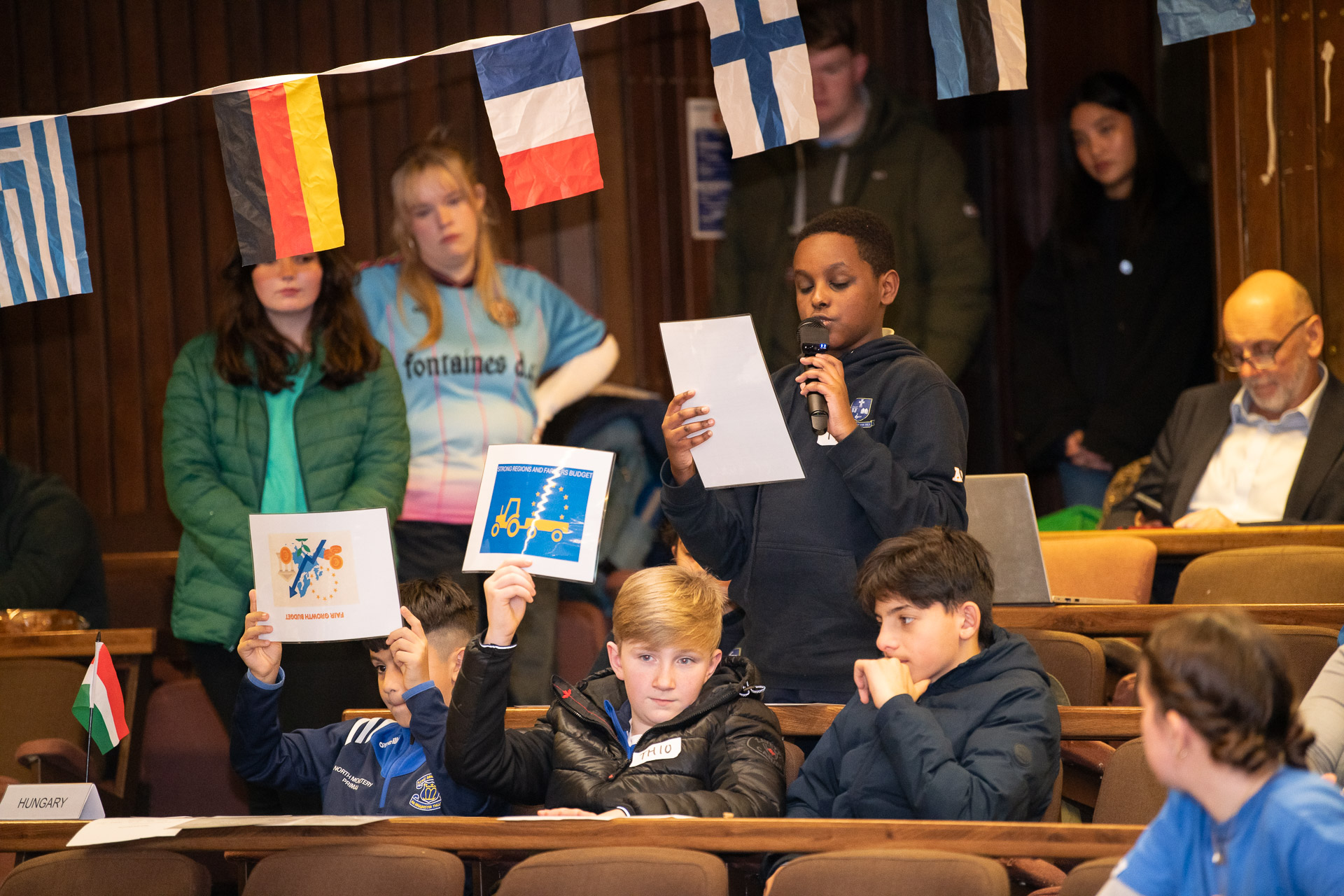
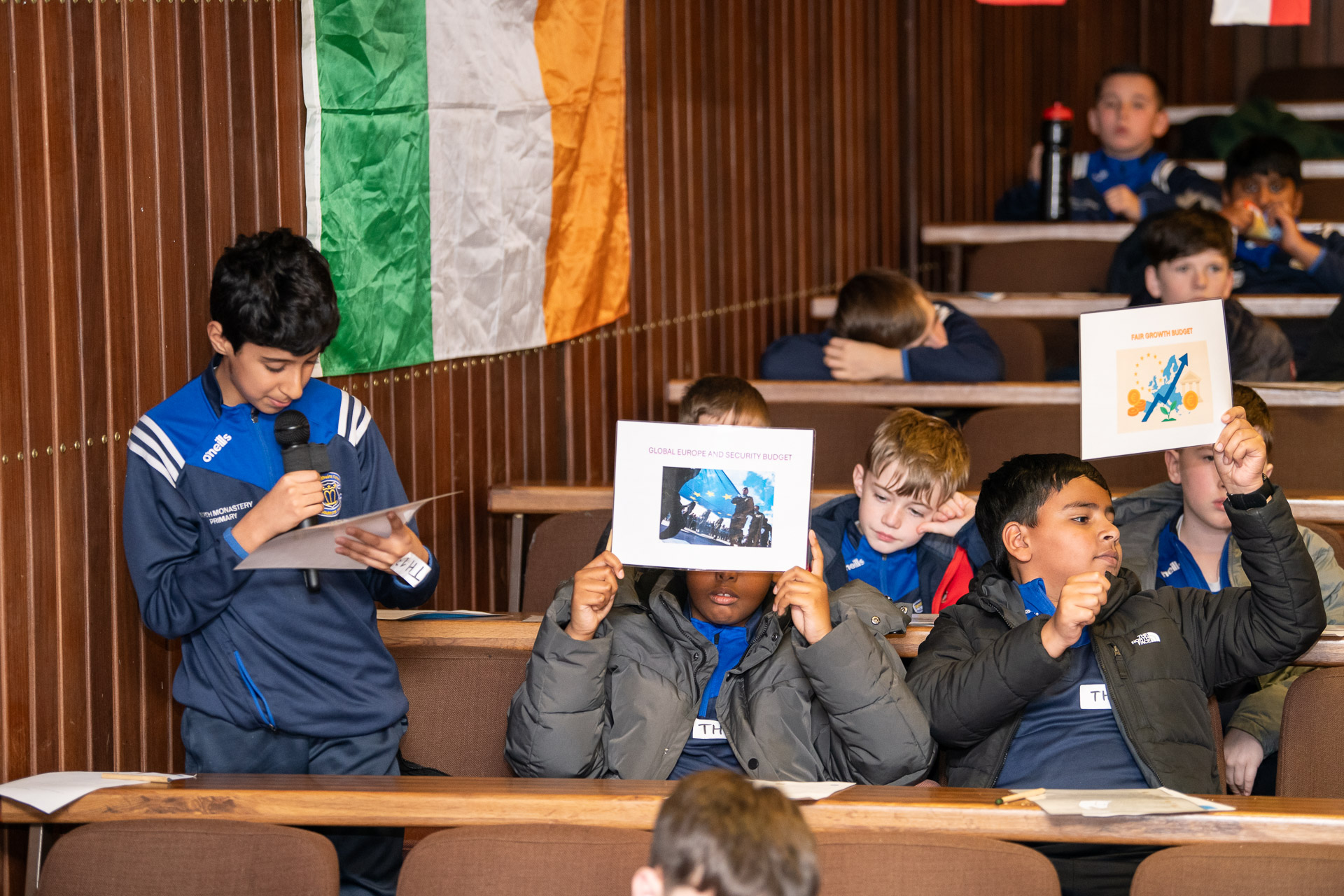
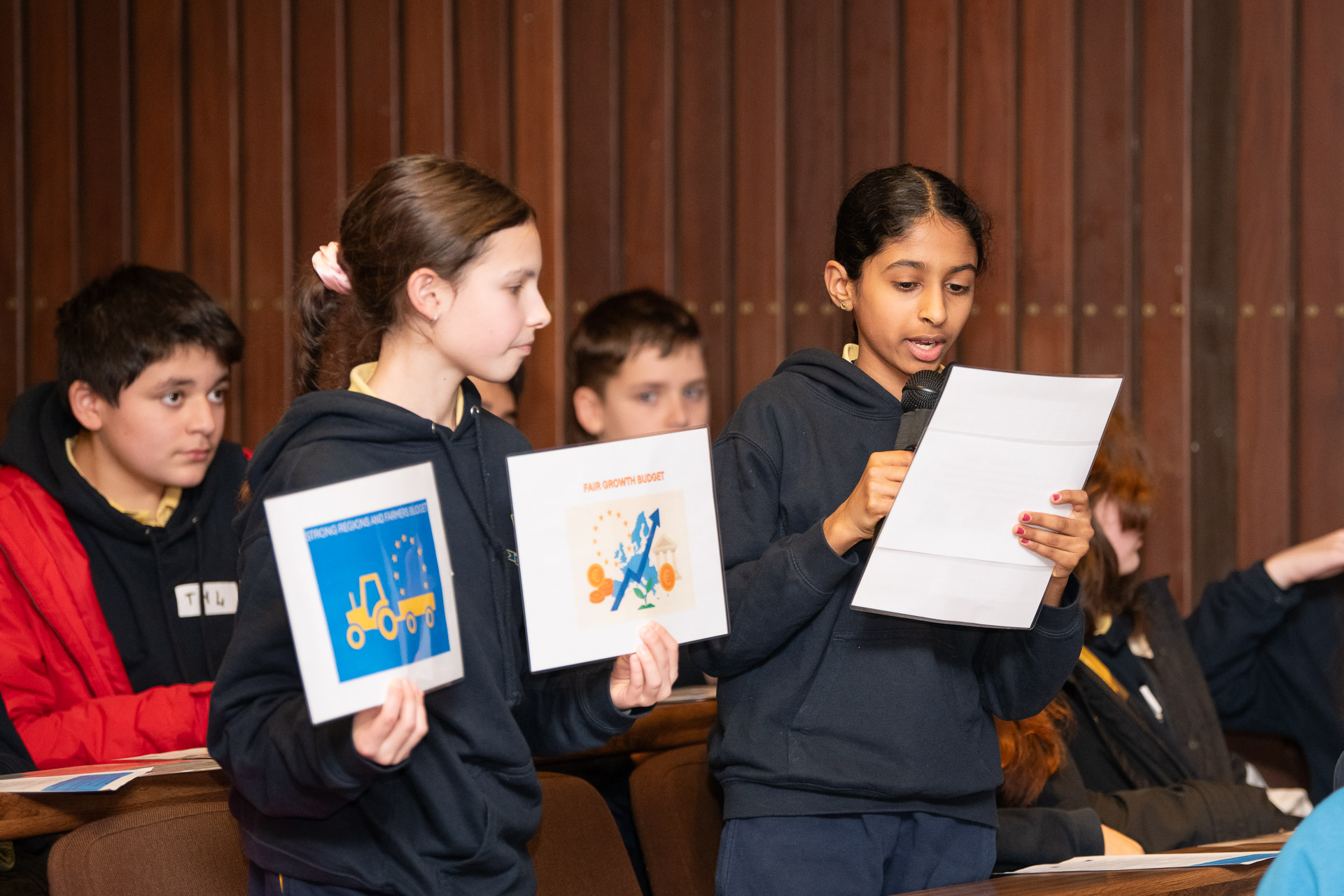
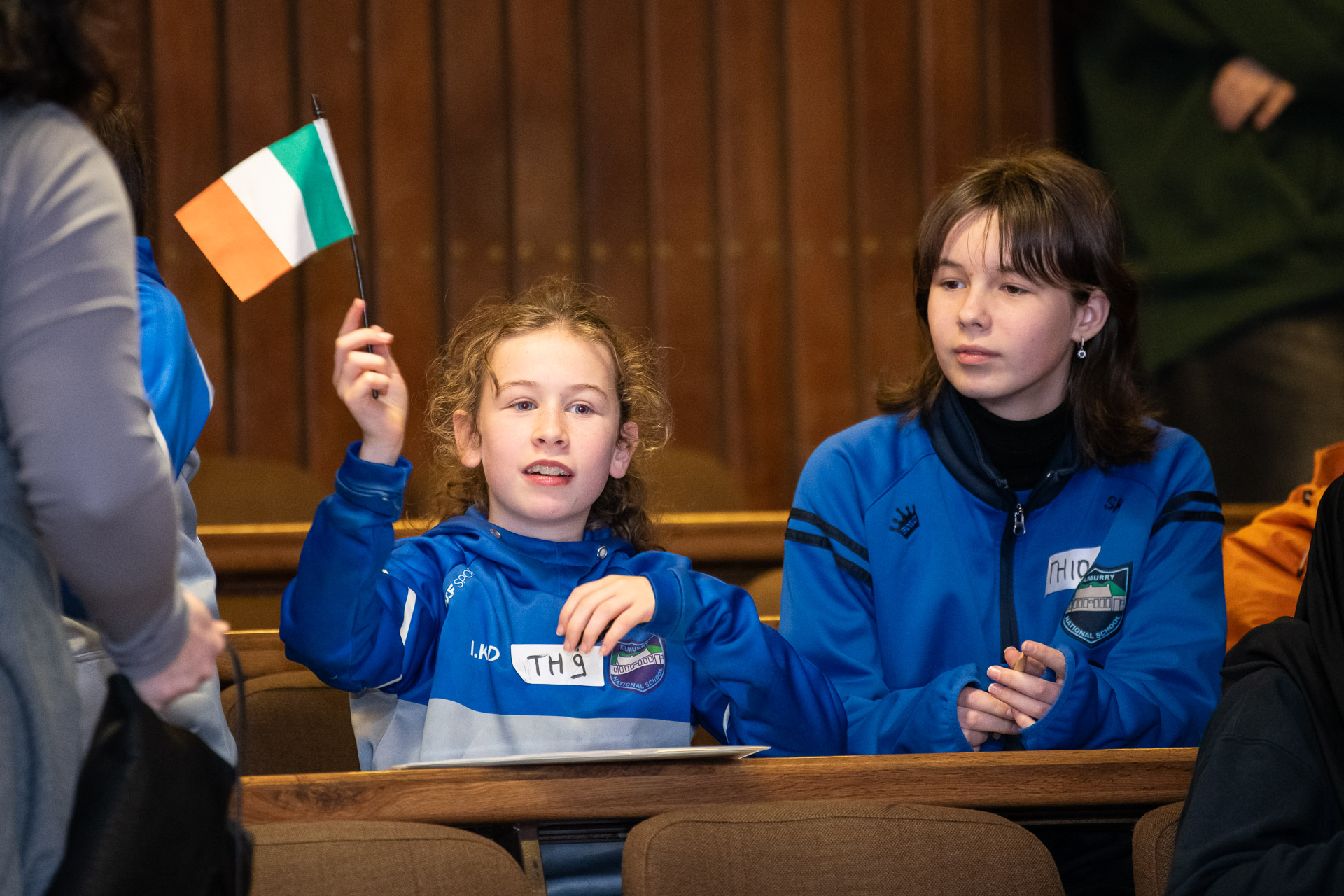
In the second activity, pupils took part in a simulation of the Council of the EU. Groups of eight represented different EU countries. Each group received guidance about its country’s priorities. They then decided how to allocate EU funding across five policy areas.
The discussion focused on the Multiannual Financial Framework (M.F.F.) 2028–2034, which EU Member States are currently debating. Pupils engaged seriously with their roles. The debate became lively and constructive. In the end, the groups reached two compromise solutions on how to distribute the EU budget.
Third activity: An EU-themed treasure hunt across the UCC campus
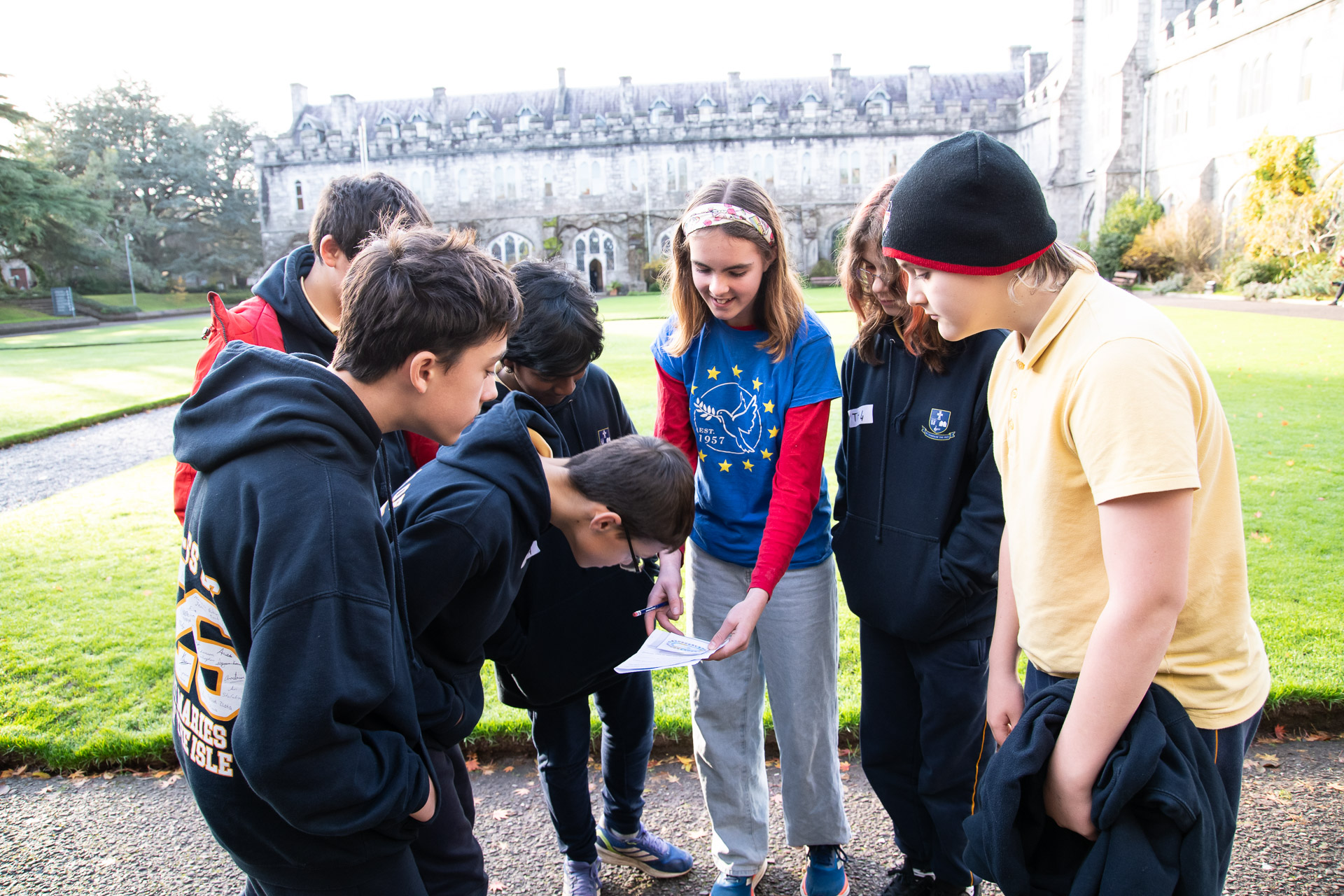
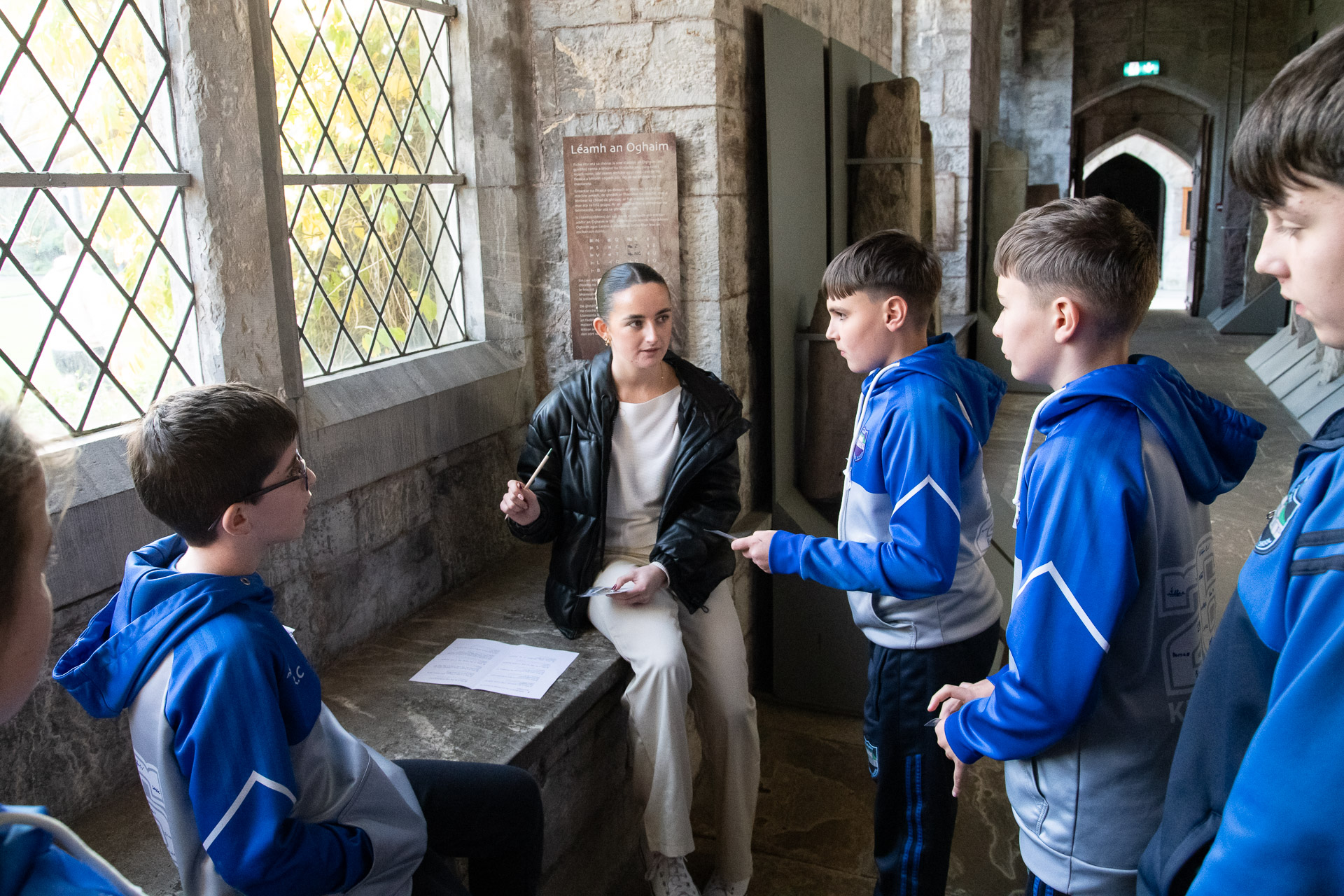
Next, teams of six explored the UCC campus. Secondary and third-level students guided them through the treasure hunt. Each team searched for clues and answered questions about the European Union and the upcoming Presidency of the Council of the EU.
The winter sunshine created a positive atmosphere. Pupils answered questions such as “How many stars are on the EU flag?” and “What does MFF stand for?”
Fourth activity: A disinformation workshop
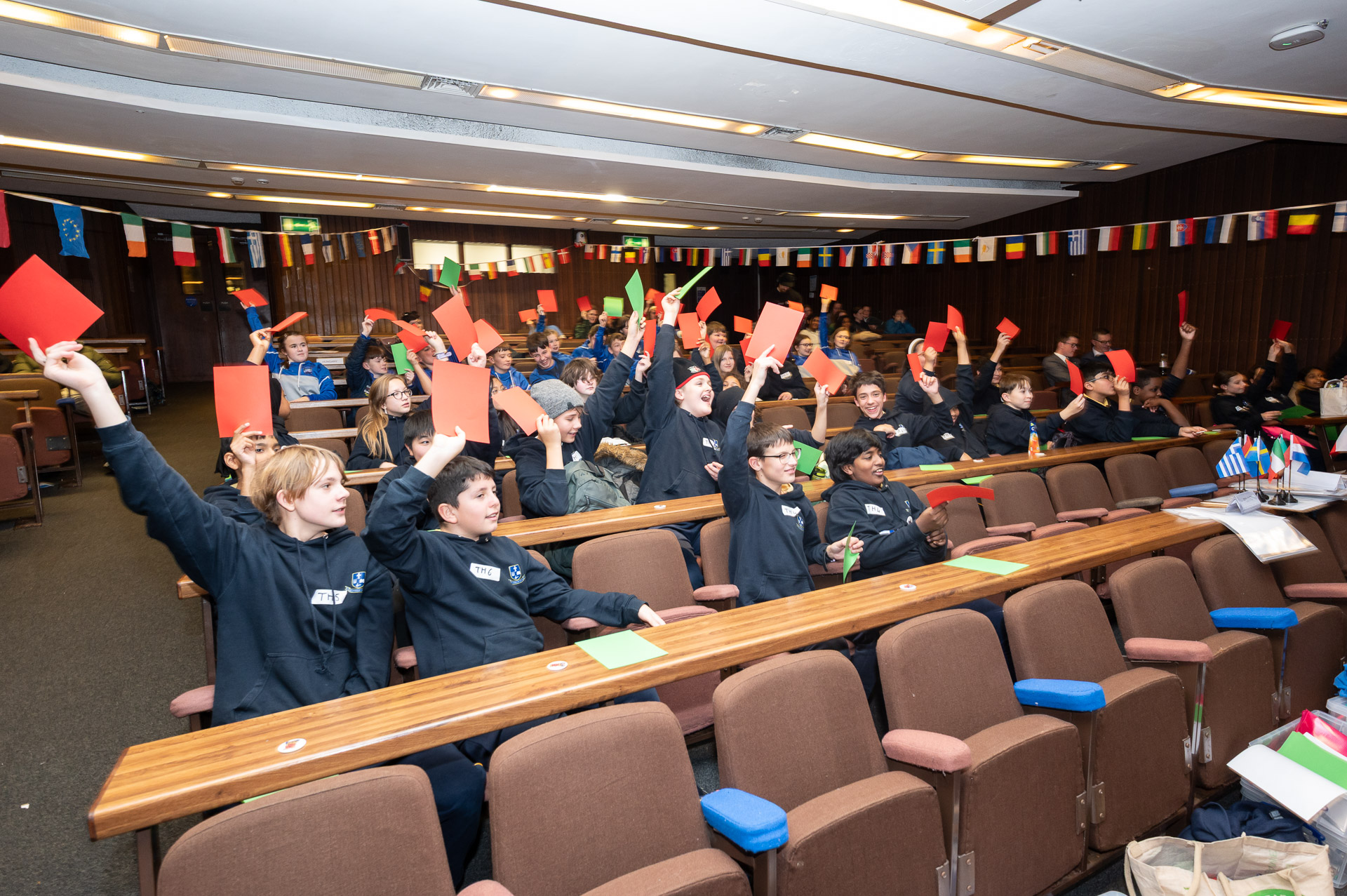
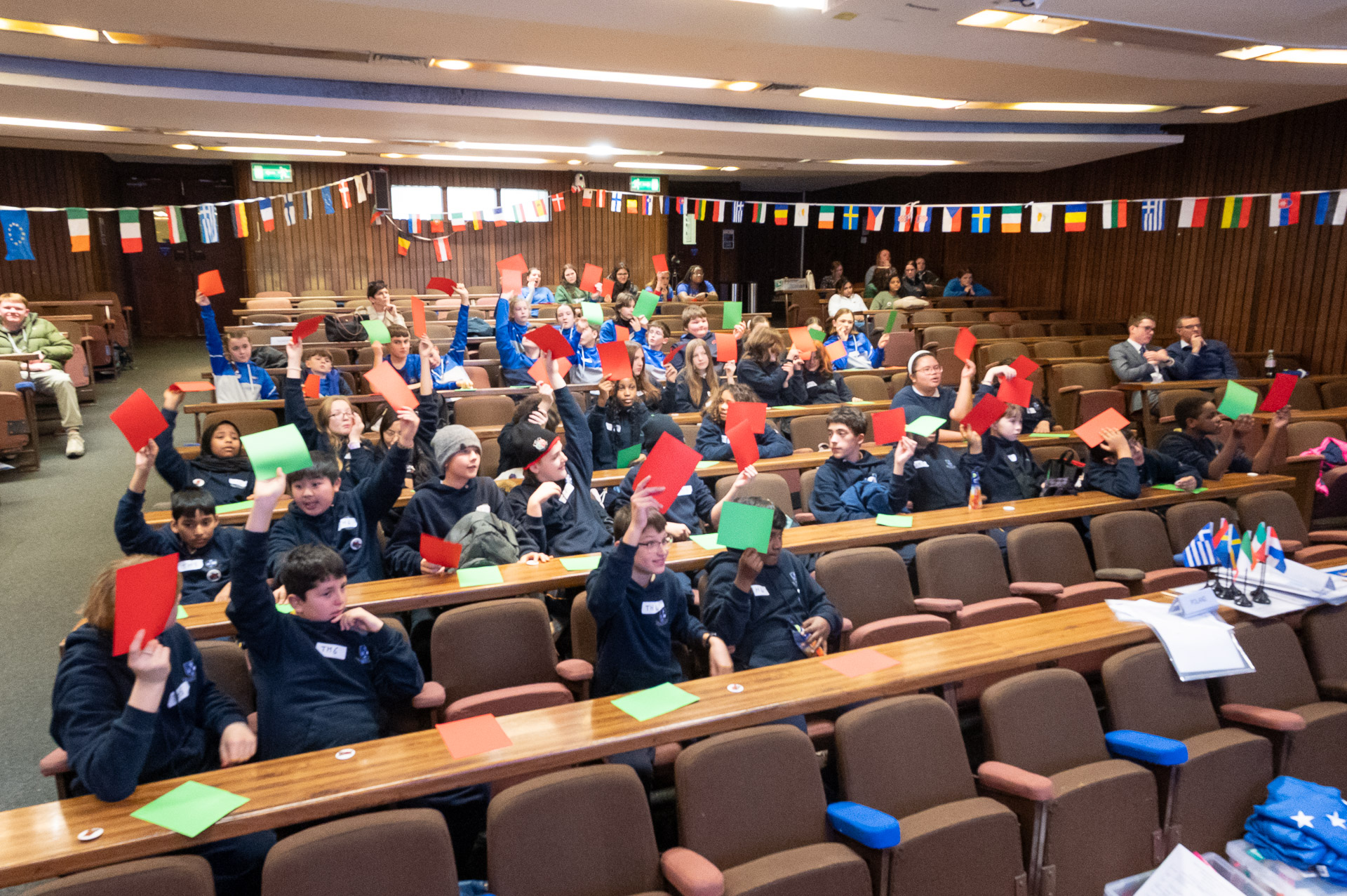
The day concluded with an interactive disinformation workshop. Pupils examined articles and images from current affairs. They decided whether each item was true or false by raising a red or green card.
This activity sparked discussion about common myths about the EU. Pupils also identified three practical steps they can take to protect themselves against disinformation.